Why Are Documents Notarized? Exploring the Legal Necessities
If you’re looking to become a California notary, our state-approved online course covers everything including exam prep and your certificate. Learn about the course
Notarization exists to prevent fraud. When a notary witnesses a signature, verifies ID, and stamps a document, it creates a trusted record that the right person signed willingly. Courts, banks, and government agencies rely on this. This is when, and why, it matters.
What Notarization Does
Three things happen during notarization:
- Identity verification: The notary checks a government-issued photo ID to confirm the signer is who they claim to be. California accepts driver’s licenses, passports, military IDs, and state ID cards. The ID must be current or issued within the past five years.
- Willingness check: The notary confirms the signer is not being coerced and understands what they are signing. If the signer appears confused or under duress, the notary must refuse.
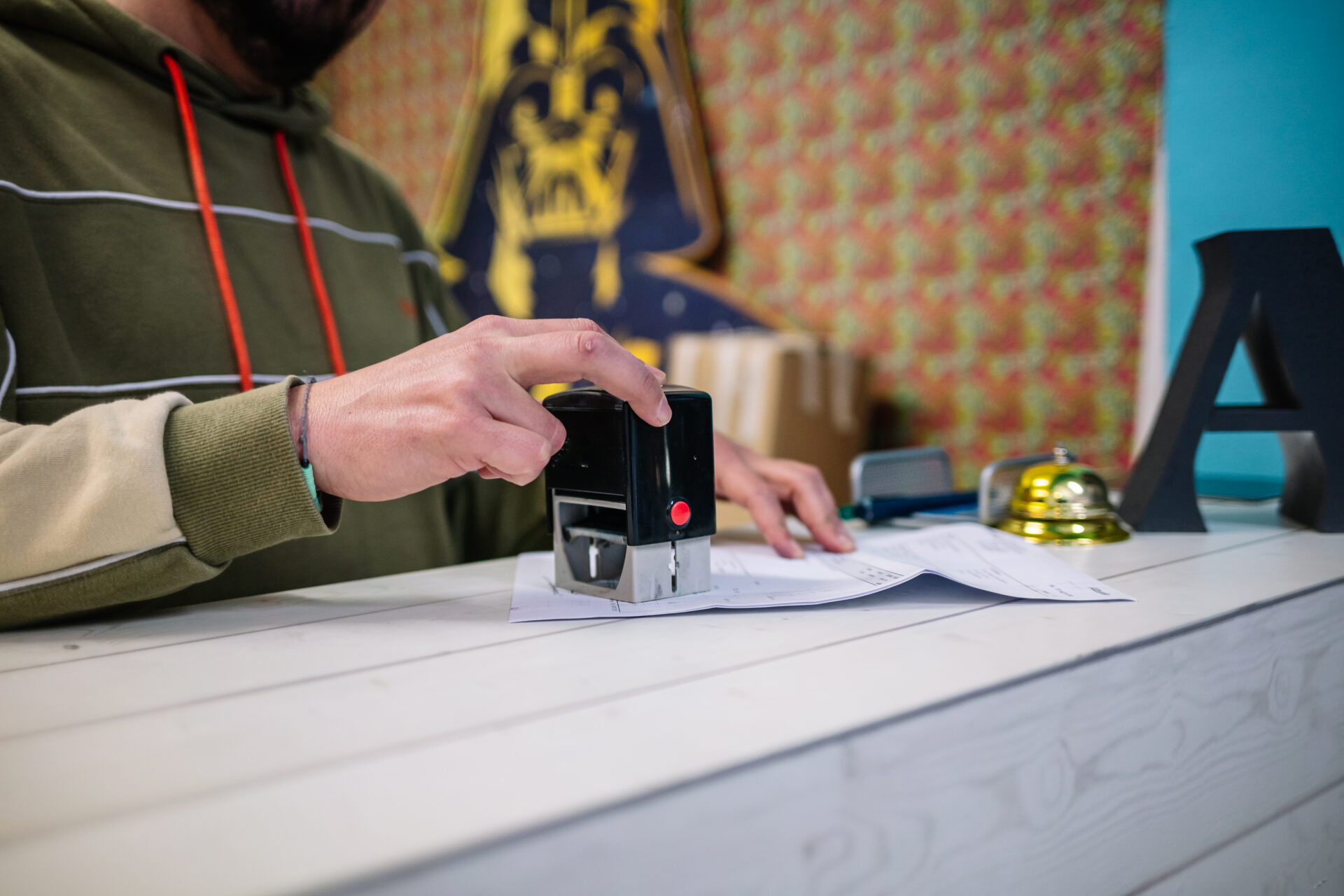
- Official record: The notary stamps the document with their seal and records the act in their journal, including the date, type of notarization, document description, and the signer’s signature.
This process creates evidence that can be used in court if someone later claims they did not sign the document or were forced to.
Types of Notarial Acts
California notaries perform several types of notarizations, and the document determines which one is needed:
- Acknowledgment: The signer acknowledges they signed the document. They do not need to sign in front of the notary, but they must appear in person to acknowledge the signature.
- Jurat: The signer swears or affirms the contents are true and signs in the notary’s presence. Used for affidavits and sworn statements.
- Oath or affirmation: A spoken pledge of truthfulness, no signature required. Common for court testimony and depositions.
- Copy certification: In California, notaries can only certify copies of their own journal entries and powers of attorney. For other documents, the holder signs a declaration under penalty of perjury.
Types of Documents That Require Notarization
Real estate
Deeds, mortgages, and refinance documents all require notarization. County recorders will not accept a deed without a notary stamp. This is the largest single category of notarized documents. Loan signing agents handle these for real estate closings and can earn $75 to $200 per appointment.
Powers of attorney
A power of attorney gives someone else legal authority to act on your behalf. Because of the power involved, most states require notarization for these to be valid. Banks and title companies frequently reject powers of attorney that are not notarized.
Affidavits and sworn statements
When someone swears under oath that a statement is true, a notary administers the oath (this is a jurat). Courts use these in lawsuits, immigration cases, and bankruptcy filings.
Wills and trusts
California does not strictly require notarization for a will to be valid, but notarized wills are “self-proving,” meaning the court accepts them without calling witnesses. Many estate planning attorneys notarize wills and trusts as a best practice.
Advance healthcare directives
California allows notarization of advance healthcare directives and living wills as an alternative to witness signatures. Hospitals and care facilities accept these notarized documents when patients cannot speak for themselves.
Business documents
Corporate resolutions, partnership agreements, and loan documents often need notarization, especially when filed with a state agency.
Immigration forms
Notaries who also work as immigration consultants notarize and assist with immigration paperwork. Notaries are limited to $15 per person per set of forms for data entry.
What Happens Without Notarization
Documents that require notarization but do not have it may be rejected by the county recorder, court, or receiving agency. A deed without a notary stamp cannot be recorded. An unnotarized affidavit carries less weight in court.
In some cases, the document is simply invalid. In others, it creates a dispute that ends up in litigation. Notarization is cheap insurance against these problems. See how notaries prevent fraud.
Some documents include optional notary certificates. A will or contract may have a notary block at the bottom but not legally require notarization. In those cases, getting it notarized anyway adds an extra layer of credibility. If the document is ever challenged in court, the notary journal entry serves as evidence that the signer appeared in person, showed ID, and signed willingly. That journal entry has resolved many disputes before they went to trial.
Frequently Asked Questions
Why do some documents need notarization?
To prevent fraud. The notary verifies identity and willingness, creating a trusted record that courts and agencies rely on.
Does a will need to be notarized in California?
Not strictly required, but a notarized will is “self-proving” and accepted by the court without calling witnesses. Most estate planning attorneys recommend it.
What happens if a required document is not notarized?
It may be rejected by the agency that requires it (county recorder, court, bank). In some cases, the document is invalid.
Does notarization make a document legal?
No. Notarization only confirms identity and willingness. It does not make the contents of the document valid or enforceable. A notary is not a lawyer.
Who pays for notarization?
Usually the person who needs the document notarized. In real estate transactions, the cost is typically part of closing costs. See how much a notary costs.
What types of ID does a California notary accept?
Driver’s licenses, state ID cards, US passports, military IDs, and foreign passports of the signer’s country of citizenship. The ID must be current or issued within the past five years and contain a photo, physical description, signature, and serial number.
Ready to Become a Notary?
Our state-approved online course covers everything you need. Complete the training, pass the exam, get your commission.